Grounding Techniques Workbook
In today's fast-paced world, it's easy to feel overwhelmed by the constant demands of life. Whether you're juggling work deadlines, personal responsibilities, or simply trying to stay present, finding your anchor in the moment can be a game-changer. The Grounding Techniques Workbook offers a practical and comprehensive guide to help you navigate anxiety, stress, and overwhelm with ease.
What is the Grounding Techniques Workbook?
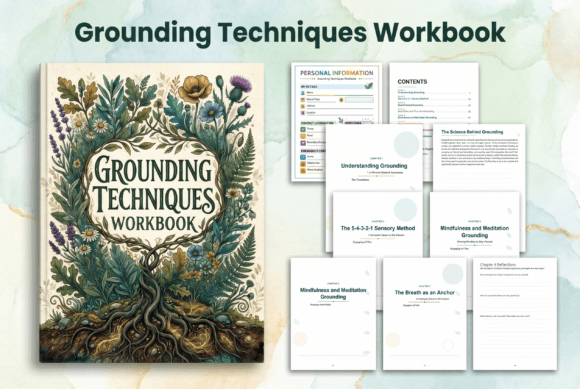
The Grounding Techniques Workbook is a 120-page resource designed to provide readers with a variety of sensory, physical, and cognitive strategies to bring them back to the present moment. This workbook is ideal for anyone looking to develop mindfulness habits or find quick relief during moments of distress.
Whether you are new to grounding techniques or have some experience, this workbook serves as a safe space to explore what it means to be truly present. It combines professional guidance with accessible language, making it suitable for adults aged 20–50 across various lifestyles and professions.
Why Choose This Workbook?
This workbook stands out because it offers both immediate solutions and long-term strategies. For example, if you're dealing with an unexpected stressful situation, the 5-4-3-2-1 Sensory Method can quickly help you refocus your attention on your surroundings. On the other hand, if you're interested in developing a consistent mindfulness practice, the workbook provides tools to build lasting habits.
With its diverse toolkit, the Grounding Techniques Workbook is not just for individuals experiencing high levels of stress. It can also be useful for professionals seeking to enhance their focus, educators aiming to manage classroom dynamics, or entrepreneurs navigating the challenges of starting a business.
Exploring the Content Inside
One of the key sections of the workbook is Part 1: The Foundations of Grounding. Here, readers will gain a clear understanding of why grounding works and how it helps stabilize the nervous system during moments of distress. This section lays the groundwork for all the techniques covered in the workbook.
The 5-4-3-2-1 Sensory Method, found on page 13, is a classic technique that encourages users to reconnect with their environment through sight, sound, touch, smell, and taste. This method is particularly effective when you need to ground yourself quickly, such as during a panic attack or intense anxiety episode.
Another valuable section is Breath-Based Grounding, which explores various breathing patterns designed to act as a portable anchor for your mind. These techniques are especially useful for those who want to maintain calmness throughout the day, whether they're in a meeting, on a call, or simply going about their daily routine.
Somatic Physical Practices
Part 2: Somatic Physical Practices delves into body scan techniques and physicality methods that bring awareness back to your physical form. These include progressive muscle relaxation and other exercises that promote a deeper connection between the mind and body.
For instance, a body scan exercise might involve lying down and mentally scanning each part of your body, noting any tension or discomfort. This practice can be incredibly beneficial for individuals who struggle with chronic stress or anxiety, as it helps release physical tension and promotes relaxation.
Real-Life Applications and Benefits
The Grounding Techniques Workbook is not only useful in personal settings but also has applications in creative, professional, and educational contexts. For example, a writer might use grounding techniques to overcome writer’s block or manage performance anxiety before a presentation.
Entrepreneurs can benefit from these techniques by using them to stay focused during high-pressure situations, while educators may find them helpful in managing classroom behavior or helping students cope with stress.
Additionally, the workbook can support individuals in building resilience against burnout, especially in demanding careers like healthcare, law, or technology. By incorporating grounding practices into their daily routines, professionals can maintain mental clarity and emotional stability.
Important Considerations
Before choosing to use the Grounding Techniques Workbook, it's essential to consider your personal needs and goals. While the workbook provides a wide range of techniques, it's important to identify which ones resonate with you and align with your lifestyle.
It's also worth noting that grounding techniques should complement, not replace, professional mental health care. If you're struggling with severe anxiety or depression, it's crucial to seek guidance from a qualified therapist or counselor.
Finally, consistency is key when it comes to reaping the full benefits of grounding techniques. Like any skill, regular practice will help you become more adept at using these methods effectively in moments of distress.
Whether you're looking for a quick fix or a long-term strategy to stay centered, the Grounding Techniques Workbook offers a wealth of resources to help you find your anchor in the present moment. With its user-friendly approach and practical examples, this workbook is an invaluable tool for anyone seeking to reclaim their peace and live more mindfully.