DBT Skills Workbook: A Strategic Tool for Emotional Regulation and Mindful Living
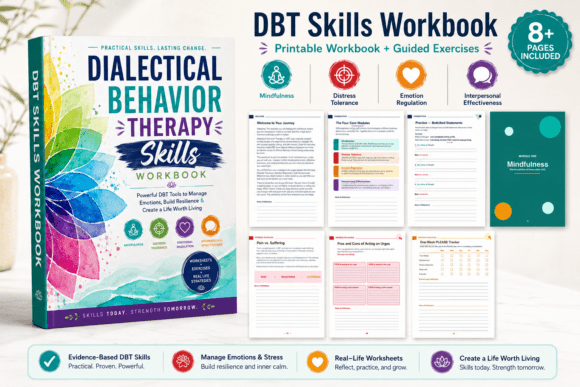
The DBT Skills Workbook is more than just a collection of exercises—it's a comprehensive, structured resource designed to help individuals take control of their emotional well-being and mental health. Rooted in Dialectical Behavior Therapy (DBT), this workbook provides practical tools to manage stress, regulate intense emotions, break unhealthy behavioral patterns, and cultivate deep mindfulness. Whether you're working with a therapist or practicing self-help, the DBT Skills Workbook offers everything you need to build emotional resilience and find balance in your life.
Designed as a 120-page guide, the DBT Skills Workbook includes actionable strategies that can be applied across various aspects of life—professional, personal, and creative. For entrepreneurs, marketers, creators, and professionals, it serves as a strategic ally in maintaining focus, managing pressure, and making better decisions under stress. The workbook’s core pillars are built around four key areas: mindfulness, distress tolerance, emotion regulation, and interpersonal effectiveness. These components work together to support long-term emotional stability and effective decision-making.
Understanding the Core Components of the DBT Skills Workbook
The DBT Skills Workbook is organized into clearly defined sections that guide users through the foundational skills of DBT. Let’s explore what each section offers and how it can be strategically used:
Section 1: Core Mindfulness
Mindfulness forms the foundation of DBT, and this section introduces essential practices that help individuals stay grounded in the present moment. It covers the three minds—wise mind, emotional mind, and reasonable mind—and teaches how to navigate between them effectively. Through daily mindfulness logs, intention-setting exercises, and grounding techniques like the 5 Senses Focus, users can develop a stronger awareness of their thoughts and feelings.
For professionals who deal with high-pressure environments, these mindfulness practices can be integrated into daily routines to enhance focus and reduce burnout. By incorporating weekly mindfulness reviews, individuals can track progress and refine their approach over time.
Section 2: Distress Tolerance
Distress tolerance is crucial for anyone facing intense emotional challenges. This section of the DBT Skills Workbook provides crisis survival strategies, including the TIPP skills, STOP skill, and radical acceptance techniques. These tools are particularly useful during moments of acute stress, helping individuals avoid impulsive behaviors and make thoughtful choices.
Entrepreneurs and business owners may find the self-soothing kit builder and sensory menus especially valuable. These resources allow users to create personalized coping mechanisms tailored to their specific needs. By planning ahead with action plans and pros-and-cons worksheets, individuals can prepare for potential crises and respond with clarity rather than reactivity.
Section 3: Emotion Regulation
Emotion regulation is at the heart of DBT and plays a vital role in achieving emotional balance. This section helps users understand and name their intense emotions while offering strategies to manage them effectively. The ABC model and PLEASE skills provide a framework for building healthy habits related to sleep, nutrition, and exercise.
For creatives and decision-makers, understanding emotional triggers and learning how to respond constructively can lead to more productive outcomes. By using the healthy habits tracker, individuals can align their lifestyle choices with their goals, ensuring that their emotional state supports their long-term aspirations.
Section 4: Interpersonal Effectiveness
Interpersonal effectiveness skills are essential for building and maintaining healthy relationships. This section of the DBT Skills Workbook focuses on communication strategies that promote respect, assertiveness, and problem-solving. Techniques such as DEARMAN and GIVE are taught to help users express their needs clearly and maintain positive interactions.
Professionals who frequently engage in client-facing roles, negotiations, or team collaboration can benefit significantly from these skills. By mastering interpersonal effectiveness, individuals can improve their communication, resolve conflicts more efficiently, and foster stronger professional networks.
Strategic Use of the DBT Skills Workbook
To derive maximum value from the DBT Skills Workbook, it's important to approach it with clear goals and a structured plan. Here are some strategic considerations for different user groups:
- Entrepreneurs: Integrate mindfulness and distress tolerance practices into daily routines to manage stress and maintain focus during high-pressure situations.
- Marketers and Creators: Use emotion regulation and interpersonal effectiveness skills to handle feedback, collaborate effectively, and maintain a consistent creative flow.
- Professionals and Educators: Apply the workbook’s strategies to improve communication, manage workload, and foster emotional resilience in demanding environments.
- Freelancers and Small Business Owners: Utilize the workbook to build emotional stability, manage client relationships, and maintain a healthy work-life balance.
It’s also important to recognize that the DBT Skills Workbook is not a one-size-fits-all solution. Users should tailor its content to their unique circumstances and goals. For instance, someone focusing on productivity might prioritize the mindfulness and emotion regulation sections, while someone working on improving communication could benefit more from the interpersonal effectiveness module.
Potential Risks and Considerations
While the DBT Skills Workbook is a powerful tool, it should be used with intention and awareness. Without clear goals or context, users may struggle to apply the skills effectively. It’s important to remember that DBT is most beneficial when practiced consistently and in conjunction with other supportive strategies, such as therapy or coaching.
Risks include relying solely on the workbook without addressing deeper psychological issues or neglecting to seek professional guidance when needed. Additionally, using the workbook without proper understanding of the underlying principles may lead to ineffective application of the skills.
To mitigate these risks, it’s recommended to start with a clear objective, such as improving emotional regulation or enhancing communication skills. Regularly reviewing progress and adjusting the approach based on personal insights can help ensure the workbook remains a valuable asset in the long run.
Conclusion
The DBT Skills Workbook is a versatile and practical resource that can support individuals in various stages of their personal and professional development. By strategically applying its core components—mindfulness, distress tolerance, emotion regulation, and interpersonal effectiveness—users can achieve greater emotional stability, make better decisions, and build a more fulfilling life.
Whether you're an entrepreneur seeking to manage stress, a creator aiming to enhance productivity, or a professional striving for better communication, the DBT Skills Workbook offers a structured path toward emotional well-being and long-term success. With intentional use and a clear understanding of its purpose, this workbook can become an essential tool in your journey toward a balanced and meaningful life.