Mood Tracker Journal – Daily Emotional Wellness and Self-Care Reflection
Keeping track of your emotional state is an essential part of maintaining overall well-being. The Mood Tracker Journal offers a structured, professional approach to understanding your mental health, nurturing self-awareness, and building sustainable habits that support emotional balance and personal growth. Whether you're managing daily stress, exploring mindfulness practices, or seeking a safe space for honest reflection, this journal provides the tools you need to take control of your emotional wellness journey.
Why Emotional Tracking Matters
Emotional awareness is more than just recognizing how you feel—it’s about understanding the patterns behind those feelings and learning how to respond in ways that promote healing and resilience. By consistently tracking your mood, energy levels, and self-care activities, you can begin to see connections between your thoughts, behaviors, and emotional outcomes. This insight can be transformative, helping you make intentional choices that align with your goals for happiness and well-being.
The Mood Tracker Journal is designed to simplify this process by offering a clear, organized framework for daily reflection and long-term progress monitoring. It encourages users to engage in meaningful self-exploration while also providing practical guidance on how to improve their mental and physical health.
Key Features of the Mood Tracker Journal
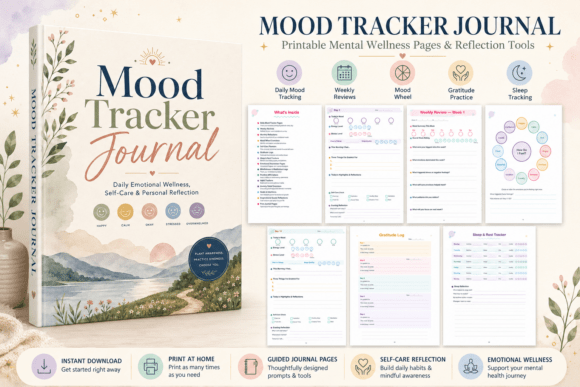
- Daily Mindfulness Check-Ins: Begin each day with a quick assessment of your mood, energy level, and sleep quality. This helps establish a baseline for emotional awareness and sets the tone for the rest of your day.
- Gratitude Space: Each page includes a dedicated section for writing down three things you are grateful for. Practicing gratitude has been shown to improve mood, reduce stress, and increase overall life satisfaction.
- Self-Care Checkboxes: Track your daily self-care activities such as exercise, hydration, fresh air, social time, healthy meals, meditation, creative time, and rest. These simple checkmarks help build consistency in your wellness routine.
- Evening Reflections: At the end of each day, reflect on what went well, what could be improved, and set intentions for tomorrow. This practice fosters accountability and helps reinforce positive behaviors over time.
Exploring Deep Emotional Awareness
Beyond the daily check-ins, the Mood Tracker Journal includes specialized exercises aimed at deepening emotional awareness and fostering personal growth. These sections encourage users to explore their thoughts, emotions, and experiences in greater depth, allowing for more profound insights into their inner world.
For example, one section might ask you to identify any recurring emotional patterns and consider what triggers them. Another may invite you to write about a recent challenge and reflect on how you responded. These prompts are designed to help you gain clarity, process difficult emotions, and develop healthier coping strategies.
This kind of reflective practice can be especially beneficial for individuals who are navigating periods of change, uncertainty, or emotional distress. It provides a safe, non-judgmental space to explore your inner landscape and work through complex feelings at your own pace.
Who Can Benefit from the Mood Tracker Journal?
The Mood Tracker Journal is suitable for a wide range of individuals, including:
- General Consumers: Anyone interested in improving their emotional well-being and developing a consistent self-care routine.
- Professionals: Busy individuals who want to maintain mental clarity and emotional balance amidst demanding schedules.
- Creative Professionals: Artists, writers, and other creatives who rely on emotional stability to fuel their work.
- Business Owners: Entrepreneurs who need to manage stress and stay focused on long-term goals.
- Students: Individuals navigating academic pressures and seeking tools to support their mental health.
Whether you're looking to build a stronger relationship with yourself or simply want to enhance your daily well-being, the Mood Tracker Journal offers valuable support. Its flexible structure allows it to be used in various settings, from home to office, and can be adapted to fit individual needs and preferences.
Practical Applications and Real-World Scenarios
Many people find the Mood Tracker Journal useful in different aspects of their lives. For instance, someone dealing with chronic stress might use it to identify when their anxiety spikes and what factors contribute to it. By tracking these patterns, they can develop targeted strategies to manage their symptoms more effectively.
A student preparing for exams might use the journal to monitor their study habits, sleep quality, and emotional state. This can help them recognize when they're pushing too hard and when it's time to take a break. Similarly, a business owner might use the journal to reflect on work-related challenges and find ways to maintain emotional balance during busy periods.
In all these cases, the journal serves as a reliable companion that supports personal development and emotional resilience. It encourages users to be proactive about their well-being and to take small, consistent steps toward a healthier, more balanced life.
Considerations and Limitations
While the Mood Tracker Journal is a powerful tool for emotional well-being, it's important to understand its limitations. It is not a substitute for professional mental health care, and individuals experiencing severe emotional distress should seek guidance from a qualified therapist or counselor.
Additionally, the effectiveness of the journal depends on consistent use and a willingness to engage with the material. Like any habit-building tool, it requires commitment and regular practice to yield meaningful results. Users should be prepared to invest time and effort into the process to fully benefit from the journal's features.
Despite these considerations, the Mood Tracker Journal remains a valuable resource for anyone looking to improve their emotional intelligence and develop a more mindful approach to life.
Evaluating Suitability for Different Needs
When considering whether the Mood Tracker Journal is right for you, it's helpful to think about your specific goals and lifestyle. If you're someone who values structure and prefers guided reflection, the journal's organized format will likely be a good fit. On the other hand, if you prefer a more freeform approach to journaling, you may want to explore additional options that offer more flexibility.
It's also worth considering how much time you can dedicate to journaling each day. While the Mood Tracker Journal is designed for quick, daily check-ins, some users may find it challenging to maintain a consistent routine if they have limited time or attention span. In such cases, it may be beneficial to start with a smaller commitment and gradually build up to a full daily practice.
Ultimately, the Mood Tracker Journal is a versatile tool that can be adapted to meet the needs of different individuals. Whether you're new to emotional tracking or have been practicing self-reflection for years, this journal offers a structured yet flexible way to deepen your understanding of your emotional well-being.
By using the Mood Tracker Journal, you're taking an important step toward a more balanced, joyful, and fulfilling life—one day at a time.