Grow Herbs Medicine Workbook – Your Guide to Cultivating a Medicinal Herb Garden
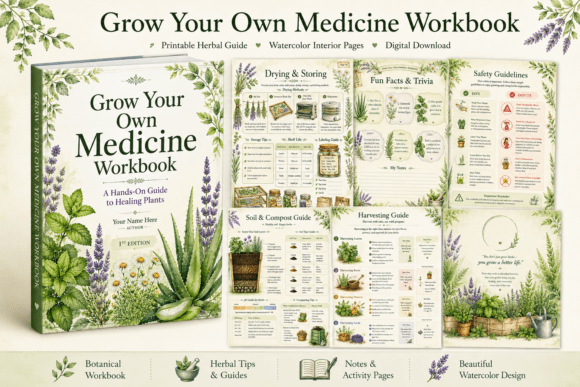
Whether you're a first-time gardener or an experienced herbalist, the Grow Herbs Medicine Workbook offers a practical and organized way to explore the world of medicinal herbs. This 120-page workbook is designed with real-world applications in mind, helping users plan, grow, and track their herb gardens with ease. It’s more than just a collection of pages—it's a hands-on companion for anyone looking to harness the power of nature in their own backyard.
The workbook includes everything from garden planning tools to detailed herb profiles and seasonal calendars. These features make it ideal for individuals who want to take control of their herbal gardening journey without getting overwhelmed by the complexity of growing medicinal plants.
Who Can Benefit from the Grow Herbs Medicine Workbook?
The Grow Herbs Medicine Workbook is useful for a wide range of people, including:
- Home gardeners who want to grow their own medicinal herbs for personal use or to share with family and friends.
- Herbalists looking to expand their knowledge and create a sustainable source of high-quality herbs.
- Homesteaders interested in self-sufficiency and natural remedies that can be grown on-site.
- Teachers and educators who want to introduce students to botany, herbalism, and environmental science through hands-on learning.
- Health enthusiasts seeking natural alternatives to support their wellness routines.
Each of these groups can find value in the workbook’s structured approach to herb gardening. For example, a homesteader might use the seasonal planner to coordinate planting schedules with other farm activities, while a teacher could use the educational activities to engage students in a science lesson about plant biology.
Real-World Applications of the Workbook
The Grow Herbs Medicine Workbook isn’t just a theoretical guide—it’s built around practical scenarios that reflect everyday challenges faced by herb gardeners. Here are some examples of how different users might apply the workbook in their lives:
For a beginner gardener: The herb profile pages provide a clear overview of what each plant needs to thrive. A new gardener can use this information to choose herbs that are well-suited to their climate and available space. They can also use the planting guides to learn when and how to sow seeds, ensuring they don’t make common mistakes like overwatering or planting in the wrong season.
For someone with limited space: The garden planning worksheets help users maximize small areas, whether they’re growing herbs in containers on a balcony or in a raised bed. The tracking sheets allow them to monitor growth progress and adjust care routines based on what they observe.
For a professional herbalist: The workbook serves as a reference tool for documenting plant characteristics, harvesting times, and storage methods. This level of detail helps ensure that the quality of harvested herbs remains consistent, which is crucial for creating effective herbal products.
For a parent teaching children about nature: The educational activities in the workbook can be used to teach kids about plant life cycles, photosynthesis, and the benefits of herbal medicine. These activities encourage hands-on learning and foster a deeper appreciation for the natural world.
Key Features That Make This Workbook Stand Out
While there are many resources available on growing medicinal herbs, the Grow Herbs Medicine Workbook stands out due to its comprehensive and user-friendly design. Some of the most valuable features include:
- Herb Garden Planning Pages: These help users visualize their garden layout, determine which herbs to grow, and allocate space efficiently.
- Herb Profile Pages: Each page provides essential information about a specific herb, such as sunlight requirements, soil type, and potential uses.
- Seasonal Garden Planner: This feature ensures that users stay on top of planting, harvesting, and maintenance tasks throughout the year, even if they have a busy schedule.
- Herb Growth Tracking Sheets: These allow users to document germination dates, growth milestones, and any issues that arise, making it easier to troubleshoot problems as they occur.
- Sunlight and Watering Logs: By tracking environmental conditions, users can better understand how different factors affect their plants and adjust their care routines accordingly.
These features work together to create a cohesive system that supports both beginners and experienced growers. However, it’s important to note that the effectiveness of the workbook depends on how consistently it is used. Users who regularly update their logs and follow the planning guidelines will likely see better results than those who treat it as a one-time reference.
Considerations Before Using the Workbook
Before diving into the Grow Herbs Medicine Workbook, it’s worth considering a few key points. First, users should assess their available space and resources. While the workbook provides guidance on container gardening and small-space techniques, it assumes a basic understanding of gardening principles. If you’re completely new to growing plants, you may need to supplement your learning with additional resources.
Second, the workbook is best suited for individuals who are committed to long-term herb gardening. Growing medicinal herbs requires patience and consistency, and the tracking sheets are only as helpful as the effort put into maintaining them. Those who expect quick results or are unwilling to invest time in their garden may find the workbook less useful.
Finally, while the workbook covers a wide range of herbs, it’s not a substitute for local expertise. Different regions have unique climates and soil conditions, so it’s always a good idea to consult with local gardening communities or extension services to tailor the advice in the workbook to your specific environment.
Despite these considerations, the Grow Herbs Medicine Workbook remains a valuable resource for anyone interested in cultivating their own medicinal herb garden. Its practical approach and structured format make it an excellent tool for learning, planning, and staying connected with the natural world.