Surgery Recovery Workbook
Recovering from surgery can be a complex and overwhelming process, filled with medical instructions, emotional challenges, and physical limitations. The Surgery Recovery Workbook is designed to simplify this journey by offering a structured, organized approach to healing. Whether you're preparing for an upcoming procedure or navigating the recovery phase, this workbook provides essential tools to help you stay on track, reduce stress, and ensure a smoother path to wellness.
This comprehensive planner helps users manage medications, track pain levels, monitor mobility, and nurture emotional well-being. It's tailored for individuals who want to take full control of their recovery process with confidence and clarity.
What’s Inside the Surgery Recovery Workbook
The workbook is divided into three main sections, each focusing on different stages of the surgical journey:
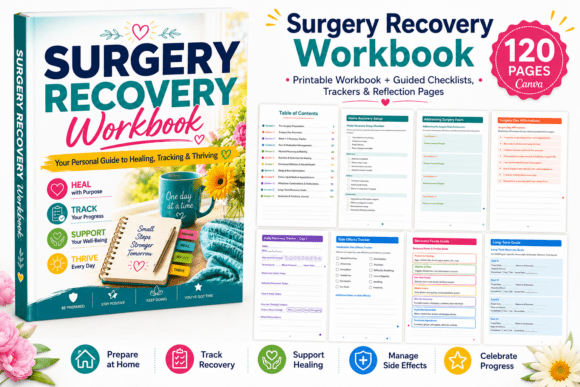
- Pre-Surgery Preparation: Includes forms to gather your medical information, questions for your surgeon, a list of current medications, hospital bag checklist, home setup checklists, caregiver details, and journaling prompts to address fears and anxiety.
- Surgery Day Essentials: Offers morning checklists, vital signs records, notes for medical teams, mindset affirmations, and discharge checklists to help you stay focused and prepared.
- Week 1-2 Recovery Tracker: Features day-by-day logs for tracking progress, managing symptoms, and celebrating milestones as you regain strength and independence.
Why Different Audiences Care About This Workbook
The Surgery Recovery Workbook has relevance across various demographics and professions. For example:
Beginners and First-Time Patients
If you're new to the surgical process, this workbook serves as a valuable guide that demystifies what to expect before, during, and after surgery. It offers clear instructions and checklists that help you feel more in control when facing unfamiliar procedures.
A beginner might use the pre-surgery section to organize their thoughts, prepare their home environment, and gather necessary documents before the operation. The journaling prompts could also provide emotional support by helping them express concerns and fears in a safe space.
Professionals and Entrepreneurs
For professionals, especially those who are self-employed or run small businesses, maintaining productivity during recovery is crucial. The workbook can help them plan for time off, delegate tasks, and keep their business operations running smoothly.
An entrepreneur might use the caregiver information section to coordinate with family members or hired help while they’re recovering. They may also appreciate the timeline planning features to schedule follow-up appointments without disrupting their work commitments.
Creators and Bloggers
Content creators and bloggers often need to maintain a consistent output even during personal challenges. The Surgery Recovery Workbook can assist them in organizing their recovery process so they can return to their creative work with renewed energy and focus.
A blogger might use the medication tracker to ensure they’re adhering to their regimen while still meeting deadlines. The emotional well-being section can also help them reflect on how their health impacts their creative output and overall productivity.
Educators and Freelancers
Freelancers and educators who rely on daily routines may find the workbook useful in adjusting their schedules and setting realistic expectations for their recovery period. It can help them prioritize rest, manage workload adjustments, and communicate effectively with clients or students about their temporary absence.
An educator might use the home setup checklists to prepare a comfortable workspace at home for remote teaching if needed. The recovery logs could also serve as a way to document their progress and share insights with colleagues or students who are going through similar experiences.
Consumers and Hobbyists
For hobbyists and everyday consumers, the workbook can help them stay focused on their health goals while continuing to enjoy life. It encourages a balanced approach to recovery that includes both physical and emotional aspects.
A hobbyist might use the nutrition tracking section to ensure they’re fueling their body properly while still engaging in light activities related to their interests. The mobility tracker can also help them gradually reintroduce physical activities that align with their hobbies.
Practical Benefits Across Different Use Cases
The Surgery Recovery Workbook is not just a tool for tracking medical data; it's also a resource for improving quality of life during recovery. Here are some practical examples of how different priorities can be addressed:
- Ease of Use: The workbook is designed with clear formatting and simple language, making it accessible to all users regardless of their education level or experience with medical documentation.
- Cost: Being a printable resource, it offers a cost-effective alternative to expensive digital apps or professional counseling services.
- Quality: The content is created with input from healthcare professionals, ensuring accuracy and reliability in the information provided.
- Flexibility: Users can customize the workbook to fit their specific needs, whether they're recovering from minor outpatient procedures or major surgeries.
- Learning Value: The journaling and reflection prompts encourage self-awareness and personal growth, which can be especially beneficial for those looking to improve their mental health alongside physical recovery.
Whether you're a first-time patient, a busy professional, or someone passionate about maintaining a healthy lifestyle, the Surgery Recovery Workbook offers a personalized and structured approach to recovery that supports your unique goals and circumstances.